In Conakry, the Blacksmith Institute, along with the Blacksmith Guinea representative organization Centre D'Appui au Develeppement (CAD), is on the verge of beginning a new project to stop the importation of leaded gasoline and encourage the use of unleaded gas. The goal of this project is to end the use of leaded gasoline in Guinea via the enactment of a law banning the importation of leaded gasoline and by developing and implementing policies that will make the use of unleaded gasoline cost-effective and practical.
Pollution kills, poisons, and otherwise impacts the lives of over a billion people, in particular children, every year.
Blacksmith Institute brings resources and expertise to local groups and agencies in developing countries to solve these problems, one site at a time.
The objective of this project is to begin remediation of the radioactively contaminated site via partial removal of contaminated soil, reinforcement of the slope, and the introduction of vegetation to stem run-off. The project is to be coordinated by a local NGO called Sodeistivie-Team Work with the BI's support. The Sanitary Epidemiological Surveillance of the city of Magadan and the Magadan branch of the Russian State Committee of Emergency Situations have approved partial remediation of the site's hot spots, terracing the slope to slow water run-off, and reinforcing it by planting foliage.
Following a baseline research project in the area in 2004, Blacksmith, in cooperation with the local government, funded the installation in 2006 of a water treatment system in the village of Pyra (population 4,000), a settlement whose groundwater is highly polluted yet remains the sole source of drinking water. In the longer term, Blacksmith hopes to support local groups and authorities in the design of a large-scale remediation and pollution mitigation plan for the area.
Blacksmith Institute funded and played a major role in coordinating this initiative. With help from Yale University's School of Law and School of Forestry joint program and New York University's Environmental Law Program, the project brought together the Ministries of Environment, Health, Industry, and Agriculture, Fisheries and Forestry to draft an enforceable law that will prevent unregulated handling, importation and use of hazardous material. The law will serve to prevent and reduce any harm caused by hazardous chemicals to public health and the environment and improve control of importation, production, use and disposal of hazardous chemicals.
This town in Rajasthan is now analyzing solutions to remediate its groundwater contamination. Severely contaminated with cancerous dyes and chemicals from defunct industries, the drinking water has been rendered highly toxic. This stakeholders group is a significant attempt to design and implement a solution to this problem. The National Environmental Engineering Research Institute has been assigned the task of cleaning the water.
New York Times and BBC World News recently reported updates on the critical lead pollution situation in La Oroya, Peru, which was identified as one of the top ten worst polluted places in Blacksmith's world's worst report.
On their last visit to La Oroya, Blacksmith experts reported reductions in lead exposure and progress on several fronts but noted that the town remains highly polluted. Blacksmith will continue to monitor and work with local champions in La Oroya.
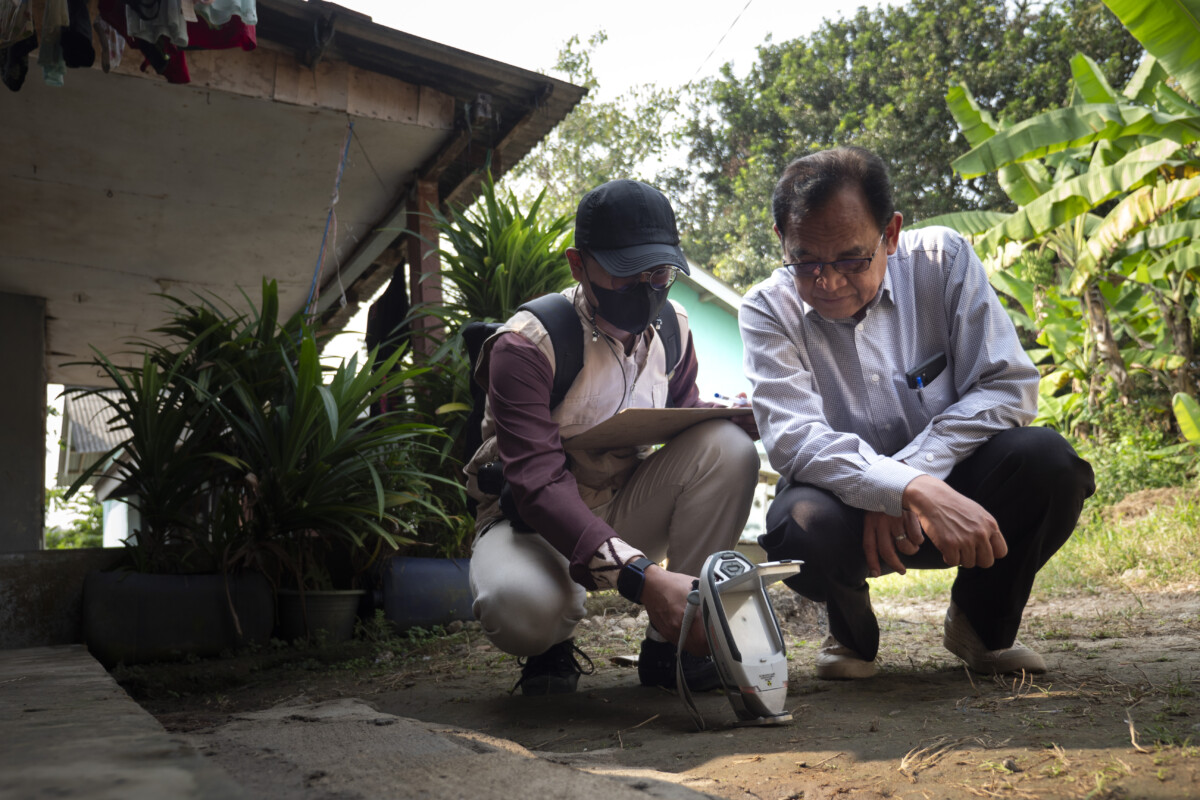
Following training sessions in Eastern Europe, Blacksmith has begun regional sessions in China and India to train investigators in Blacksmith's Initial Site Assessment protocol. Attendees will soon join other "investigators" around the world in the hunt for the world's worst polluted sites for the Global Inventory Project.
Blacksmith was in Ghana recently to investigate reports of haphazard e-waste dumping and lead poisoning due to the improper recycling of used car batteries. Plans are underway to start several projects in Ghana later in 2009. Read update.
Blacksmith has returned from Bali, Indonesia, following a successful meeting with the Asian Development Bank about next steps for the HPF. Blacksmith secured preliminary approval for a $1 million regional technical assistance grant to be used for the HPF's Global Inventory Project.
Read "Toxic Hotspots Affects 600 million in Developing World"
Latest studies show that Reprogrammed Genes Due to Pollution Can Happen in as Little As 3 Days.
Lead Poisoning and Car Batteries Project:
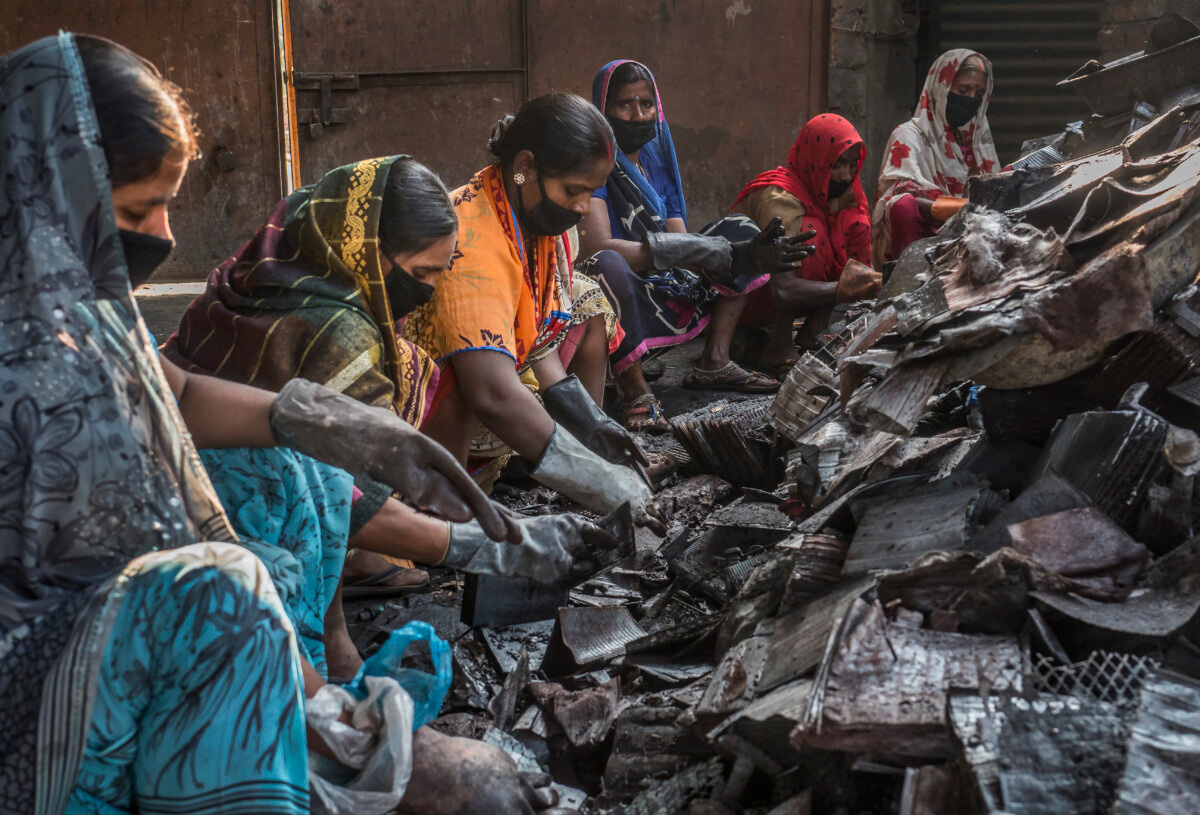
Blacksmith is the leading organization working to clean up lead pollution caused by the improper recycling of used car batteries.
Blacksmith is currently building the first comprehensive database of the world's worst polluted places, covering over 80 countries.
This ambitious $500 million fund aims to fight and eradicate legacy pollution in the developing world.